The local cultural festival is taking place again this coming weekend. That means a flurry of last-minute preparations—since, naturally, I left things far too late once again!
I’ve now got my shortlist of photos ready to take to the print shop next week. Just need a few accessories—like mats and hanging hardware—and I should be all set! So, no problem at all! 😉
I’ve also planned a special edition for this event. Alongside the new images from the past two years, I’m going to release a new edition of a relatively old series from 2004(!). Those photos were taken during a holiday on El Hierro with my first serious digital camera, the Canon G1. I still have it, even though I haven’t used it in ages. It probably still works, though!
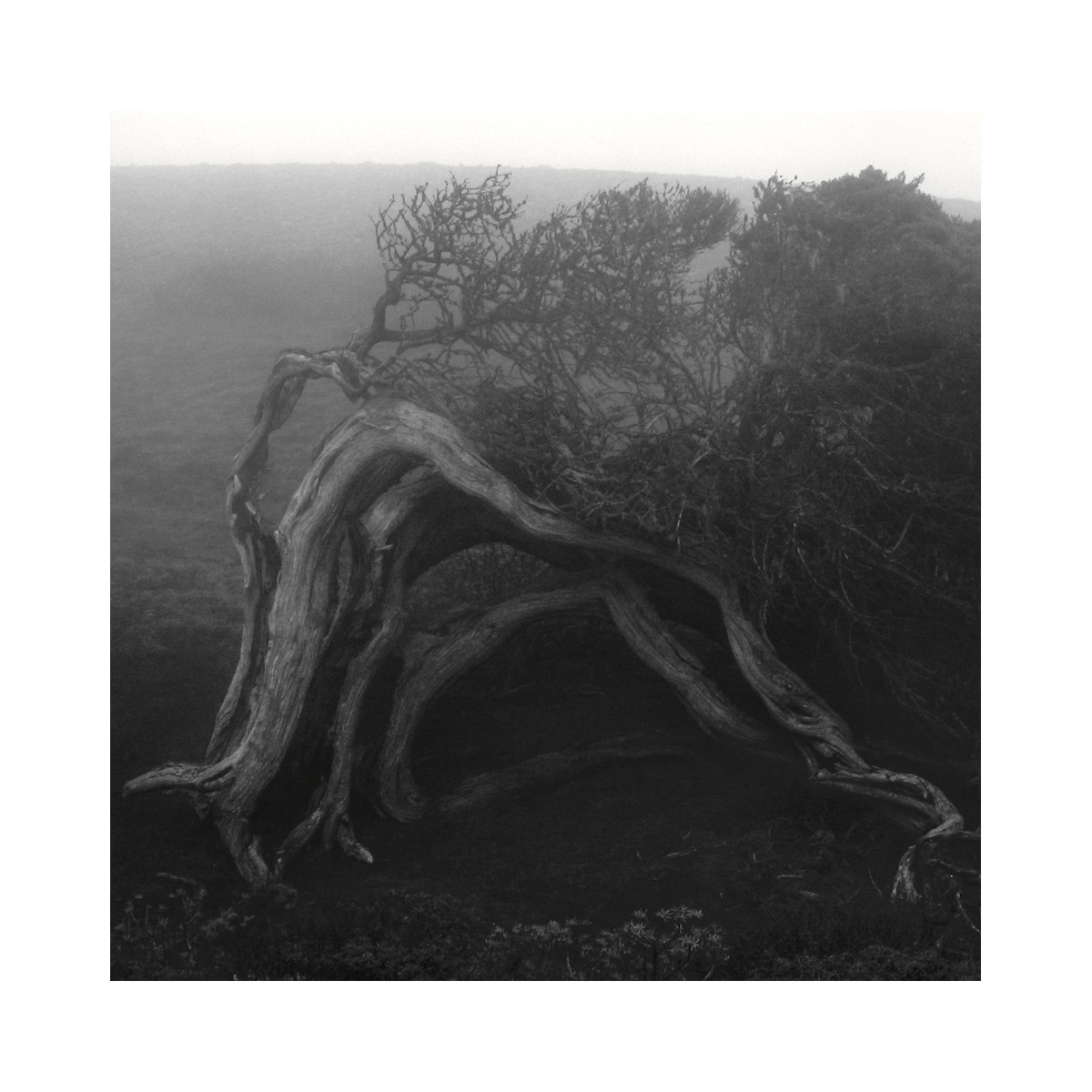
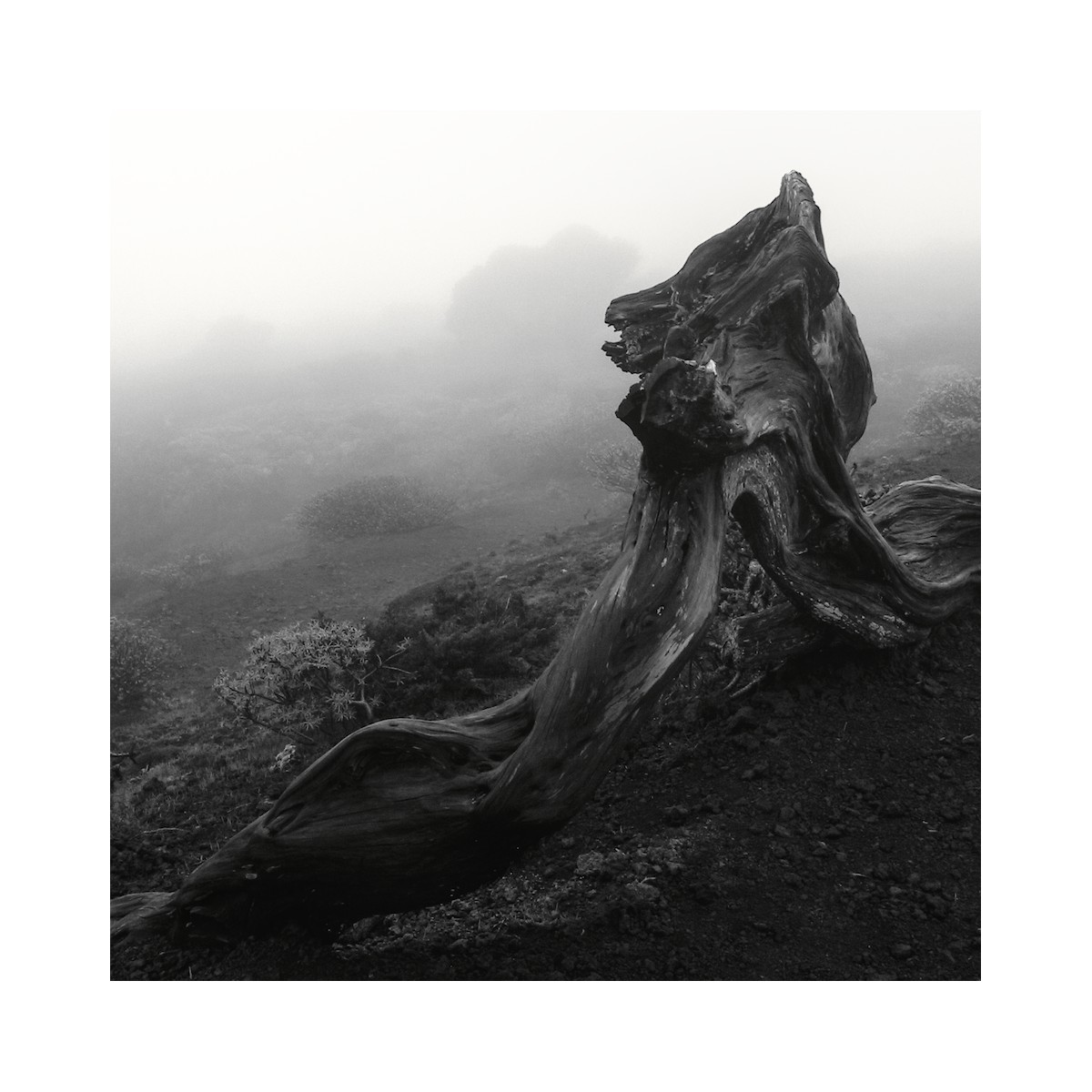
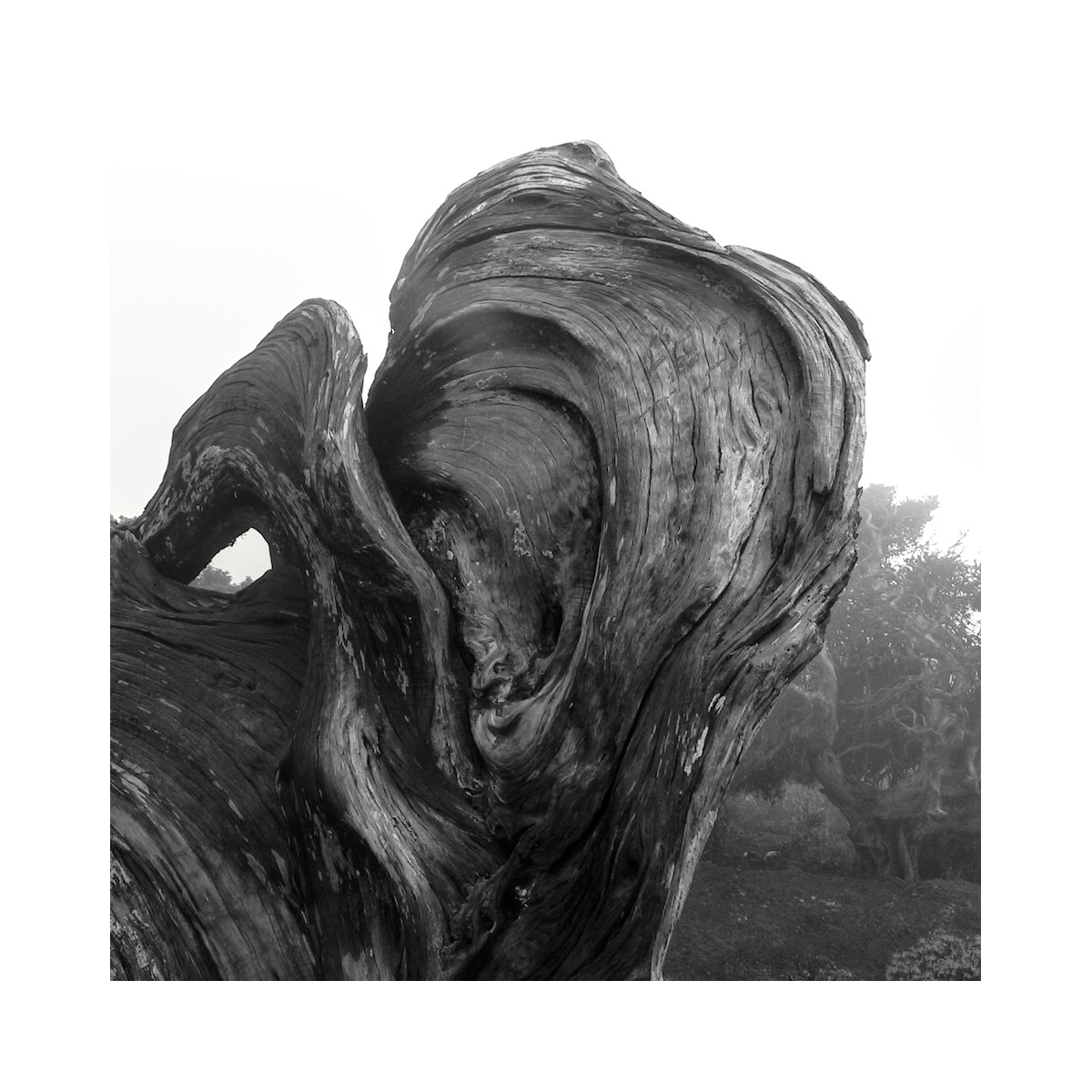
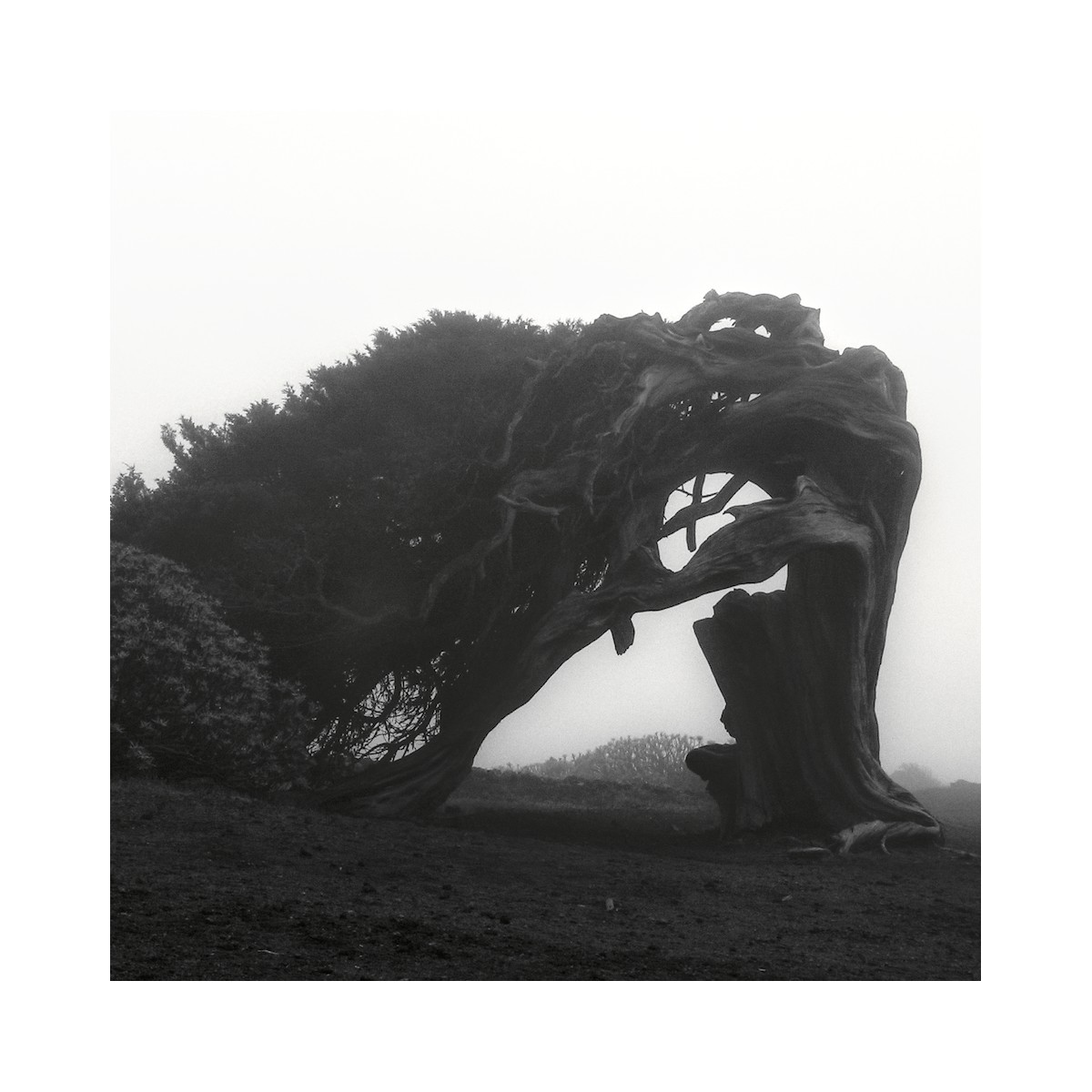
El Sabinar – Der Tanz der Wacholder
In the remote, solitary west of the Canary Island of El Hierro lies the barren plateau of La Dehesa. It is a rugged, primordial landscape of dark volcanic soil, shrouded for most of the year in dense, moisture-laden trade-wind clouds.
Here, exposed to the full force of the elements, grows the last contiguous grove of Sabinas—centuries-old Phoenician junipers. Their continued existence is nothing short of a miracle, yet the struggle for survival has left its mark on them. Relentless, brutal storms lash across the plateau. Unable to withstand the forces of nature head-on, the trees yield to them: their trunks twist, coil, and bend until their crowns touch the ground.
Shaped by the wind, they have taken on the very form of the gale itself. Amidst the silent mist, these creaking wooden sculptures resemble dancers frozen in perpetual motion—a monumental ballet sculpted by time and the wind.
The Series: „La Danse des Sabines“ – Fragments of Stasis
These photographs document more than a mere natural phenomenon; they make the invisible force of the wind visible. By deliberately eschewing color, the monochrome aesthetic strips the ancient juniper trees down to their pure, sculptural essence. The harsh light and deep shadows inherent to the black-and-white medium etch themselves into the wood’s texture, accentuating every twist, fissure, and grain pattern formed over the centuries.
The dense trade-wind mist, bathing the background in a timeless, diffuse white, isolates these wooden protagonists from their actual surroundings. What remains is a visual score: a dynamic interplay of graphic lines, monumental arcs, and intimate details. The images capture the paradoxical beauty of this place—the delicate balance between the wood’s raw, unyielding hardness and the fluid, almost tender elegance of its movement. It is the portrait of an eternal ballet, captured in a single, silent moment.
I hope you enjoy it, and as always, I am open to and grateful for any feedback!
See you next time!
Jochen