Autor: Jochen Berger

  • La danse des Sabines

    Am kommenden Wochenende finden wieder die lokalen Kulturtage statt. Das bedeutet hektische Vorbereitungen an diesem Wochenende, da man sich natürlich wieder viel zu lange Zeit gelassen hat!

    Mittlerweile habe ich meine Shortlist an Fotos beisammen mit denen ich in der kommenden Woche bei der Druckerei vorstellig werde. Dann noch etwas Zubehör wie Passepartouts und Utensilien für die Hängung und ich sollte bereit sein! Also alles kein Problem! 😉

    Für dieses mal habe ich mir auch eine Sonderedition vorgenommen. Und zwar werde ich parallel zu den neuen Bilder aus den letzten beiden Jahren eine relativ alte Serie aus 2004(!) als neue Edition auflegen. Die Bilder entstanden im Zuge eines Urlaubes auf El Hierro mit meiner ersten Digitalkamera, der Canon G1. Ich habe die Kamera immer noch, wenn auch schon ewig nicht mehr verwendet. Vermutlich geht sie aber noch!

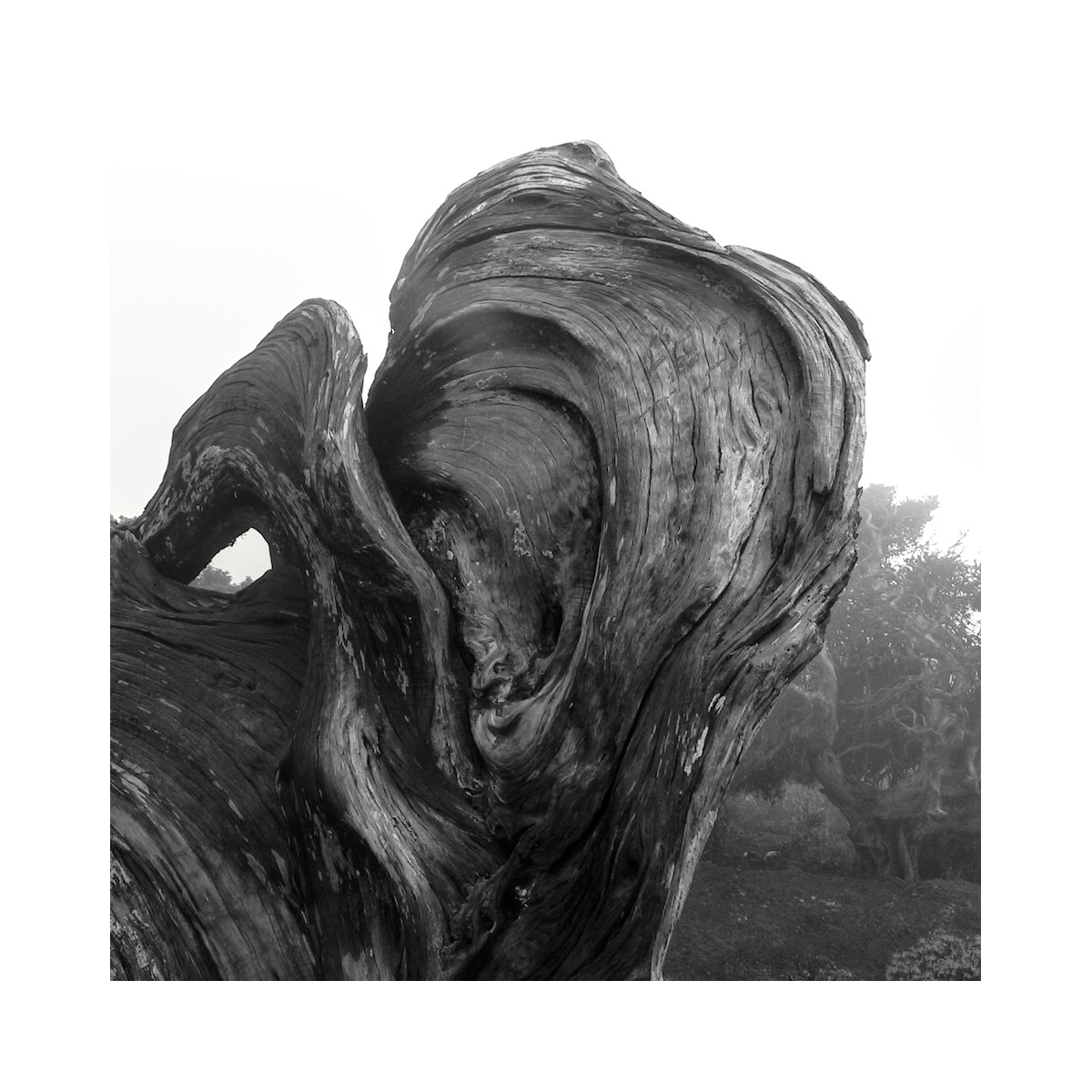
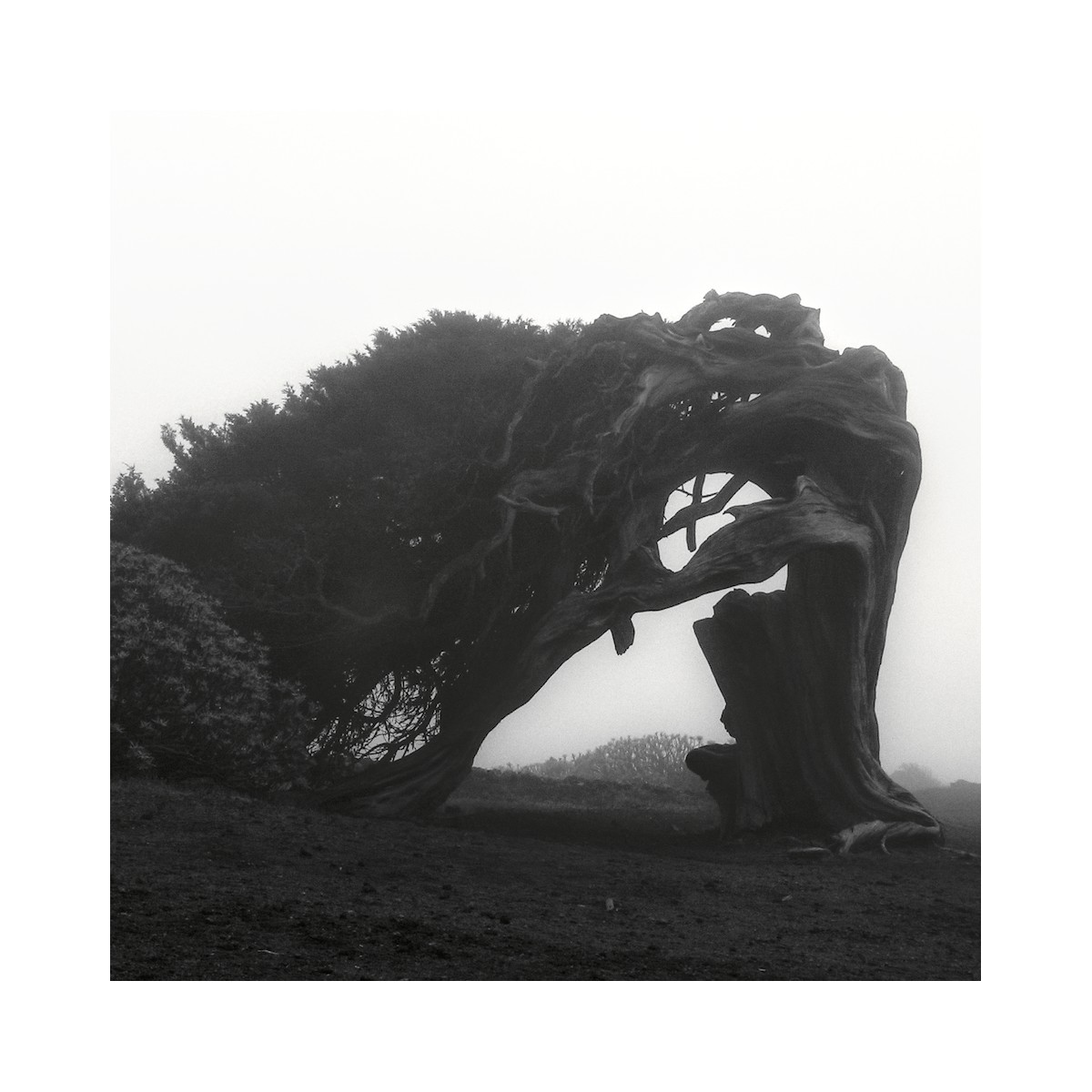
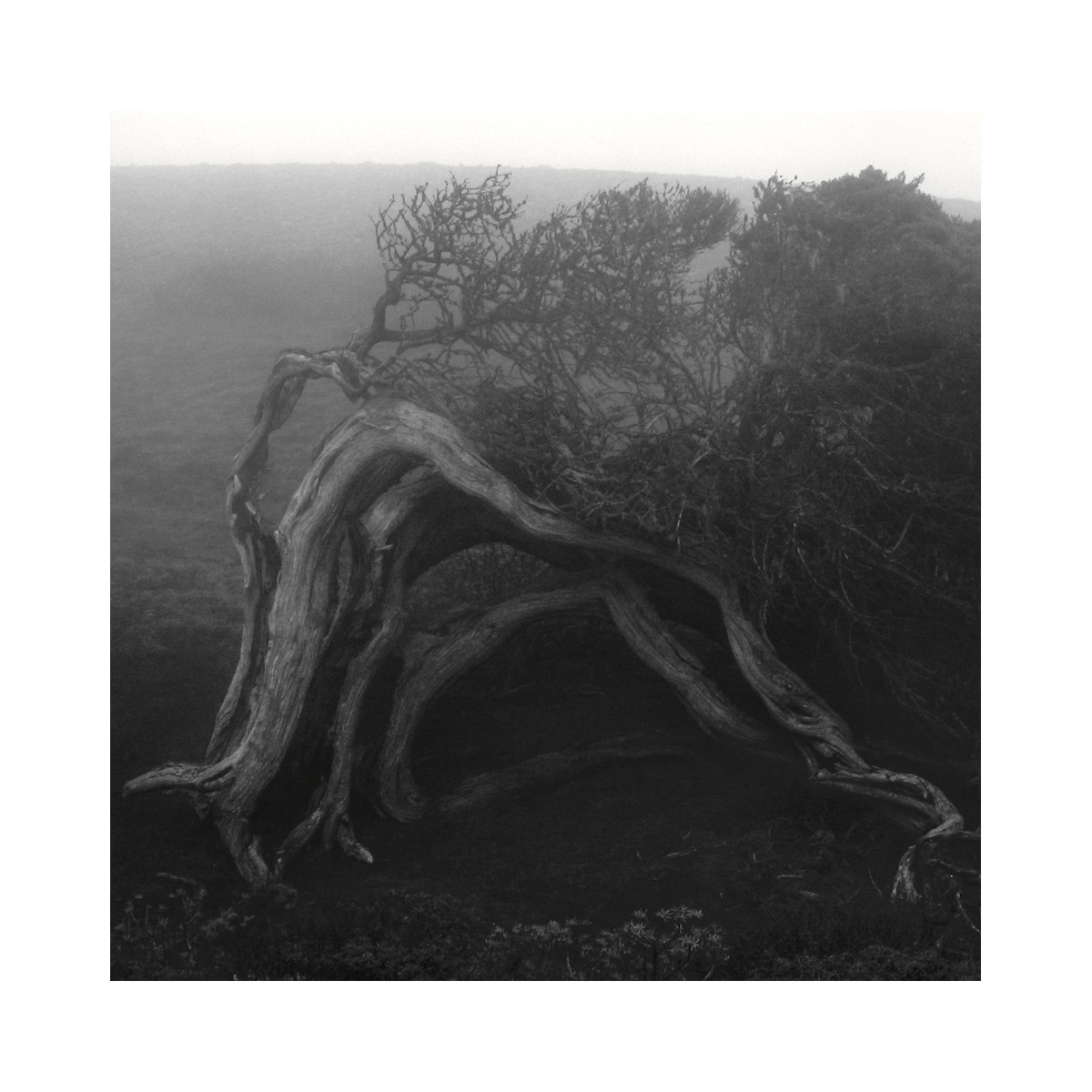
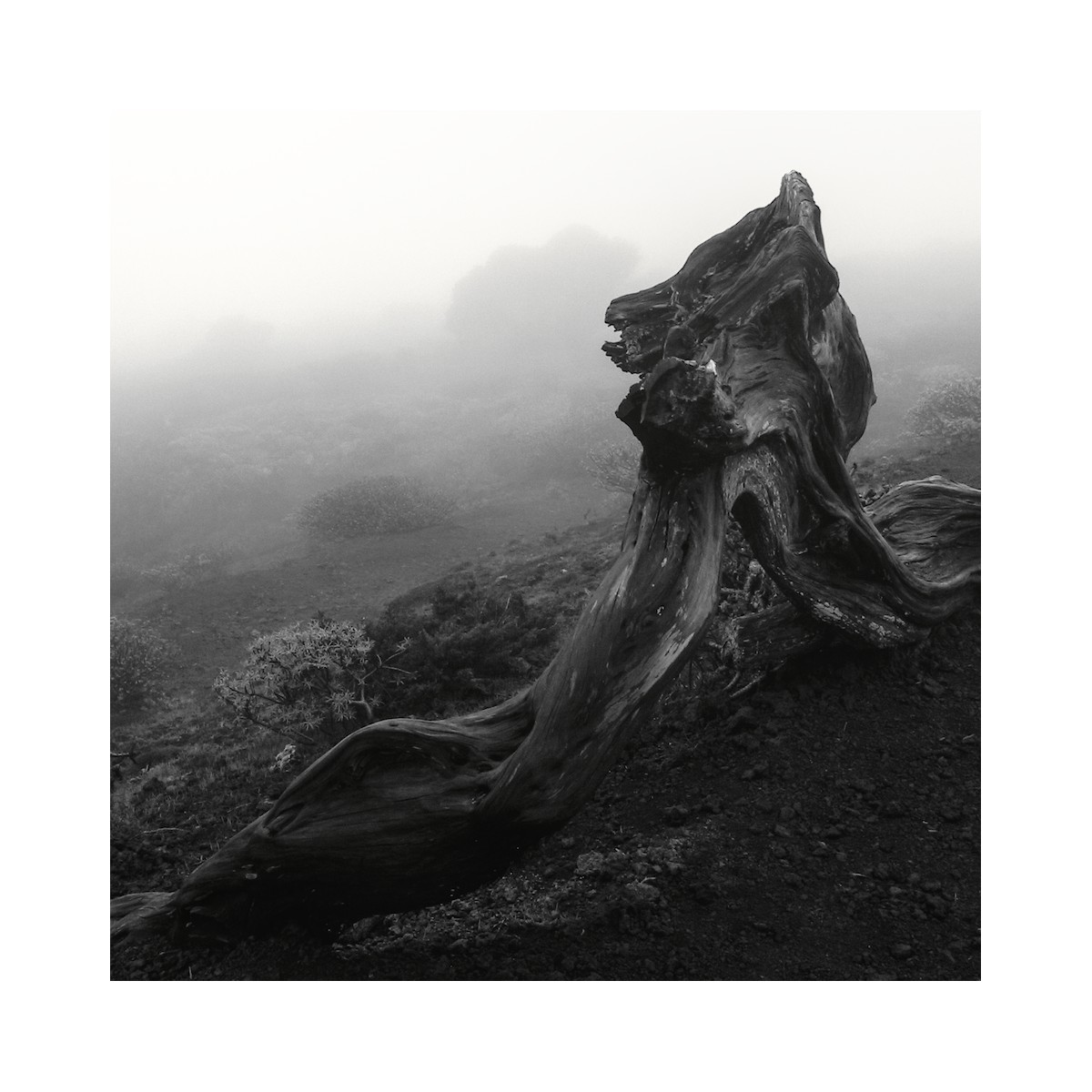
    El Sabinar – Der Tanz der Wacholder

    Im äußersten, einsamen Westen der Kanareninsel El Hierro liegt die karge Hochebene von La Dehesa. Es ist eine raue, archaische Welt aus dunkler Vulkanerde, die fast das ganze Jahr über von dichten, feuchten Passatwolken eingehüllt wird.

    Hier, schutzlos den Elementen ausgeliefert, wächst der letzte zusammenhängende Hain der Sabinas – jahrhundertealte Phönizische Wacholderbäume. Dass sie überhaupt noch existieren, gleicht einem Wunder, doch ihr Überlebenskampf hat sie gezeichnet. Unaufhörlich peitschen brutale Stürme über die Hochebene. Weil die Bäume nicht gegen die Naturgewalten anwachsen können, weichen sie ihnen aus: Ihre Stämme drehen, winden und biegen sich, bis ihre Baumkronen den Boden berühren.

    Als sogenannte „Windflüchter“ haben sie die Form des Sturmes selbst angenommen. Inmitten des lautlosen Nebels wirken die knarzenden, hölzernen Skulpturen wie Tänzer, die in einer ewigen Bewegung erstarrt sind – ein monumentales Ballett, geformt von der Zeit und dem Wind.

    Die Serie: „La Danse des Sabines“ – Fragmente einer Erstarrung

    Diese Fotografien dokumentieren kein bloßes Naturphänomen – sie machen die unsichtbare Kraft des Windes sichtbar. Durch den bewussten Verzicht auf Farbe reduziert die monochrome Ästhetik die uralten Wacholderbäume auf ihre pure, skulpturale Essenz. Das harte Licht und die tiefen Schatten des Schwarz-Weiß-Mediums graben sich in die Textur des Holzes und betonen jede einzelne Windung, jeden Riss und jede Maserung, die über Jahrhunderte hinweg entstanden sind.

    Der dichte Passatnebel, der den Hintergrund in ein zeitloses, diffuses Weiß taucht, isoliert die hölzernen Akteure aus ihrer realen Umgebung. Übrig bleibt eine visuelle Partitur: ein dynamisches Wechselspiel aus grafischen Linien, monumentalen Bögen und intimen Details. Die Bilder fangen die paradoxe Schönheit dieses Ortes ein – das feine Zusammenspiel zwischen der rohen, unnachgiebigen Härte des Holzes und der fließenden, fast zärtlichen Eleganz seiner Bewegung. Es ist das Porträt eines ewigen Balletts, festgehalten in einem einzigen, stillen Moment.
    Ich hoffe es gefällt und bin für Feedback wie immer aufgeschlossen und dankbar!

    Bis bald!

    Jochen

  • La danse des Sabines

    The local cultural festival is taking place again this coming weekend. That means a flurry of last-minute preparations—since, naturally, I left things far too late once again!

    I’ve now got my shortlist of photos ready to take to the print shop next week. Just need a few accessories—like mats and hanging hardware—and I should be all set! So, no problem at all! 😉

    I’ve also planned a special edition for this event. Alongside the new images from the past two years, I’m going to release a new edition of a relatively old series from 2004(!). Those photos were taken during a holiday on El Hierro with my first serious digital camera, the Canon G1. I still have it, even though I haven’t used it in ages. It probably still works, though!

    El Sabinar – The Dance of the Juniper

    In the remote, solitary west of the Canary Island of El Hierro lies the barren plateau of La Dehesa. It is a rugged, primordial landscape of dark volcanic soil, shrouded for most of the year in dense, moisture-laden trade-wind clouds.

    Here, exposed to the full force of the elements, grows the last contiguous grove of Sabinas—centuries-old Phoenician junipers. Their continued existence is nothing short of a miracle, yet the struggle for survival has left its mark on them. Relentless, brutal storms lash across the plateau. Unable to withstand the forces of nature head-on, the trees yield to them: their trunks twist, coil, and bend until their crowns touch the ground.

    Shaped by the wind, they have taken on the very form of the gale itself. Amidst the silent mist, these creaking wooden sculptures resemble dancers frozen in perpetual motion—a monumental ballet sculpted by time and the wind.

    The Series: „La Danse des Sabines“ – Fragments of Stasis

    These photographs document more than a mere natural phenomenon; they make the invisible force of the wind visible. By deliberately eschewing color, the monochrome aesthetic strips the ancient juniper trees down to their pure, sculptural essence. The harsh light and deep shadows inherent to the black-and-white medium etch themselves into the wood’s texture, accentuating every twist, fissure, and grain pattern formed over the centuries.

    The dense trade-wind mist, bathing the background in a timeless, diffuse white, isolates these wooden protagonists from their actual surroundings. What remains is a visual score: a dynamic interplay of graphic lines, monumental arcs, and intimate details. The images capture the paradoxical beauty of this place—the delicate balance between the wood’s raw, unyielding hardness and the fluid, almost tender elegance of its movement. It is the portrait of an eternal ballet, captured in a single, silent moment.

    I hope you enjoy it, and as always, I am open to and grateful for any feedback!

    See you next time!

    Jochen

  • Ist das Kunst oder kann das weg?

    Eine Frage der Definition

    Dieser Beitrag entstand anlässlich eines Artikels in der österreichischen Tageszeitung DerStandard1. Darin wurde – zuweilen recht ironisch – der Frage nachgegangen, ob Prominente, die sich auch in der bildenden Kunst erfolgreich betätigen, ihren Erfolg tatsächlich ihrem künstlerischen Talent verdanken oder ob sie ihn letztlich nur ihrer Prominenz zu verdanken haben.

    Natürlich ging es dabei auch wieder um eine grundlegende Begriffsklärung: Was ist Kunst überhaupt – und wer definiert, was als Kunst gilt?

    Oft steht jemand vor einem modernen Kunstwerk und bringt lautstark seine Meinung zum Ausdruck: Er selbst oder seine zehnjährige Nichte hätten das wohl ebenso gut zustande gebracht! Da bleibt als Replik eigentlich nur:

    „Ja, vielleicht. Aber haben Sie es auch getan?“

    Wer entscheidet, was Kunst ist?

    Wer entscheidet nun also, was Kunst ist? Ich würde mich gerne jener Meinung anschließen, der zufolge das nur der Schöpfer eines Kunstwerks selbst bestimmen kann, indem er sein Werk als Kunst bezeichnet.

    Wer sollte es denn sonst definieren? Eine staatliche Kommission, eine Volksabstimmung oder gar der Kunstmarkt? Würde jeder für sich eine verbindliche Definition aufstellen, hätten wir am Ende Millionen verschiedener Definitionen – was nicht unbedingt sinnvoll wäre.

    Und wie käme ich dazu, einem anderen Menschen zu erklären, dass das, was er geschaffen hat, keine Kunst sei?

    Etwas als Kunst zu bezeichnen, sagt schließlich noch nichts darüber aus, ob und welchen Eindruck das Werk bei seinen Betrachtern hinterlässt. Schon gar nicht sagt es aus, ob es sich auf dem Kunstmarkt wirtschaftlich verwerten lässt. Dabei hilft es natürlich schon, wenn man Johnny Depp oder Sharon Stone heißt!

    Oft heißt es, Kunst brauche Rezipienten, also Betrachter oder ein Publikum. Aber auch hier stellt sich die Frage: Wo liegt die Grenze? Sind es zehn oder 1.000 Menschen, eine Million – oder reicht am Ende ein einziger Millionär?

    Und seien wir ehrlich: Ein Kunstwerk hat immer zumindest einen Rezipienten – seinen Schöpfer selbst.

    Natürlich kann und soll jeder für sich selbst Kriterien entwickeln, anhand derer er beurteilt, ob ihn ein Kunstwerk anspricht oder ihm gefällt. Für mich persönlich habe ich im Laufe der vergangenen Jahrzehnte aus den unzähligen Erklärungsversuchen berufener und weniger berufener Stimmen folgende Kriterien zusammengestöpselt.

    Meine drei Kriterien für Kunst

    1. Die Intention

    Der Schaffensprozess erfolgt aus einer bewussten, freien Entscheidung heraus. Diese Entscheidung verleiht dem Objekt einen Gehalt höherer Ordnung.

    Marcel Duchamp provozierte und revolutionierte zu Beginn des 20. Jahrhunderts die Kunstwelt, indem er beispielsweise ein handelsübliches Urinal signierte und es in einem Kunstkontext ausstellte.2 Seine sogenannten Readymades machten ihn weltberühmt und wirbelten den etablierten Kunstbegriff gehörig durcheinander.

    2. Die Ausführung

    Zur Kunst gehört für mich auch die konkrete Ausführung: die Wahl des Mediums und der Werkzeuge sowie der bewusste Umgang mit ihnen.

    In der Fotografie sind das zum Beispiel die Bildkomposition und der Bildausschnitt, die Lichtführung, aber auch die Wahl der Nachbearbeitung, des Druckverfahrens und des Papiers. Es geht also nicht nur um die Idee, sondern auch darum, wie diese Idee umgesetzt wird.

    3. Die Verantwortung

    Die schaffende Person muss in der Lage sein, Verantwortung für ihr Werk zu übernehmen. Diese Verantwortung umfasst eine rechtliche, eine gesellschaftliche und vor allem auch eine ästhetische Dimension.

    Die schaffende Person sollte zumindest theoretisch erklären können, was ihre Intention war und warum sie die gewählten Mittel eingesetzt hat.

    Hier liegt meiner Meinung nach auch eine elegante Abgrenzung zu Werken, die von künstlicher Intelligenz geschaffen wurden. Dazu aber vielleicht mehr in einem späteren Beitrag.

    Kopf, Herz und Bauch

    Mein persönliches Kunstverständnis lässt sich aber auch einfach zusammenfassen:

    Ein Kunstwerk muss an meine drei „Kontrollzentren“ andocken – an den Kopf, das Herz und den Bauch. Am besten wirkt es auf alle drei gleichzeitig.

    Das heißt: Es muss mich intellektuell herausfordern und emotional bewegen – unabhängig davon, ob diese Wirkung positiv oder negativ ausfällt.

    Diese Welt kann nicht genug Kunst haben! Also seid nicht schüchtern und bezeichnet eure Kunst auch als solche. Mehrt das Schöne und knüpft neue Bande!

    1. https://www.derstandard.at/story/3000000336045/von-johnny-depp-bis-ed-sheeran-diese-promis-machen-auch-kitsch-aeh-kunst ↩︎
    2. https://en.wikipedia.org/wiki/Fountain_(Duchamp) ↩︎
  • Is It Art, or Can It Go in the Bin?

    A Question of Definition

    This post was inspired by an article in the Austrian daily newspaper DerStandard.1 The article explored—at times with considerable irony—whether celebrities who also pursue successful careers in the visual arts owe their success to genuine artistic talent or ultimately merely to their fame.

    Naturally, this also involved a fundamental clarification of terms: What exactly is art—and who gets to decide what qualifies as art?

    People often stand in front of a modern work of art and loudly express the opinion that they—or their ten-year-old niece—could have produced it just as well. In that case, the only appropriate response is:

    “Perhaps. But did you?”

    Who Decides What Art Is?

    So who decides what art is? I would tend to agree with the view that this can ultimately be determined only by the creator of a work of art, by declaring it to be art.

    Who else should define it? A state commission, a popular vote, or perhaps the art market? If everyone were to establish their own binding definition, we would end up with millions of different definitions—which would not necessarily be particularly useful.

    And who am I to tell another person that what they have created is not art?

    Calling something art ultimately says nothing about whether, or what kind of, impression the work leaves on those who view it. Nor does it say anything about whether it can be successfully marketed or generate financial value in the art market. Here it certainly helps if your name is Johnny Depp or Sharon Stone!

    It is often said that art needs recipients—in other words, viewers or an audience. But here, too, the question arises: Where is the threshold? Is it ten people, 1,000, a million—or does a single millionaire ultimately suffice?

    And let us be honest: A work of art always has at least one recipient—its creator.

    Of course, everyone can and should develop their own criteria for deciding whether a work of art speaks to them or appeals to them. Over the decades, I have pieced together the following criteria from countless attempts at explanation by both authoritative and less authoritative voices.

    My Three Criteria for Art

    1. Intention

    The creative process begins with a conscious, free decision. That decision gives the object a meaning of a higher order.

    At the beginning of the twentieth century, Marcel Duchamp provoked and revolutionised the art world by, among other things, signing an ordinary urinal and exhibiting it in an artistic context.2 His so-called readymades made him world-famous and thoroughly unsettled the established concept of art.

    2. Execution

    For me, art also involves the concrete execution of a work: the choice of medium and tools, as well as the deliberate way in which they are used.

    In photography, for example, this includes composition and framing, the use of light, and also the choice of post-processing, printing method and paper. It is not only about the idea, but also about how that idea is realised.

    3. Responsibility

    The person who creates a work must be able to take responsibility for it. This responsibility has a legal, social and, above all, aesthetic dimension.

    The creator should, at least in theory, be able to explain what their intention was and why they chose the means they used.

    In my view, this also provides an elegant distinction from works created by artificial intelligence. Perhaps more on that in a later post.

    Head, Heart and Gut

    My personal understanding of art can also be summed up quite simply:

    A work of art must connect with my three “control centres”—the head, the heart and the gut. Ideally, it will engage all three at once.

    In other words, it must challenge me intellectually and move me emotionally—regardless of whether that response is positive or negative.

    This world can never have too much art! So don’t be shy—call your art art. Bring more beauty into the world and forge new connections.

    1. https://www.derstandard.at/story/3000000336045/von-johnny-depp-bis-ed-sheeran-diese-promis-machen-auch-kitsch-aeh-kunst ↩︎
    2. https://en.wikipedia.org/wiki/Fountain_(Duchamp) ↩︎
  • Ein Neubeginn

    Jetzt ist sie also online, die neue Homepage! Und ich muss sagen, ich bin ein bisschen stolz auf mich! Aber fangen wir vorne an.

    Der Rückzug aus den großen Netzwerken

    Vor knapp zwei Jahren habe ich meine Social-Media-Aktivitäten radikal eingestellt. Es war einfach zu anstrengend mit den Algorithmen und dem damit einhergehenden Content, der dir in die Timeline gespült wird. Man könnte ja echt meinen, die Welt steht knapp vor dem Untergang!

    Allerdings wollte ich doch nicht ganz auf die Fotografie verzichten – also das Herzeigen und Diskutieren derselbigen. Und da lief mir Bluesky über den Weg! Mittlerweile sind wir hier eine kleine, aber feine Community von unter anderem Fotografie-Begeisterten. Und das Ganze läuft völlig ohne Weltuntergangsstimmung ab. Schaut gerne mal vorbei!

    Inspiration durch die Bluesky-Community

    Auf Bluesky tummelt sich vom Profi bis zum Knipser die gesamte Range. Keiner will dem anderen erklären, wie etwas auszusehen oder zu funktionieren hat. Das ist sehr erfrischend.

    Manche betreiben auch ihre eigene Webseite. Eine davon möchte ich heute vor den Vorhang holen, weil sie mich so inspiriert hat, dass ich heute diese Zeilen auf meiner eigenen neuen Homepage schreibe: Es ist die Seite von Mike Hindle (mikehindle.uk). Sie ist vor allem deswegen großartig, weil sie sich auf das Wesentliche reduziert: Bild und Text. Kein Bling-Bling, keine flashy Animationen und vor allem keine Werbung! Nur die nackte Information. Bitte schaut bei ihm vorbei und seht euch das an!

    Weg vom Ballast, hin zum Minimalismus

    Ich hatte schon eine Website. Die lief auch bereits unter WordPress, war aber hoffnungslos überladen und damit auch hinsichtlich der DSGVO – sagen wir – bedenklich! Mikes Seite hat mir gezeigt, wie es auch gehen kann.

    Einfache Strukturen mit dem Standard-Theme „TwentyTwentyFive“ und so gut wie keine Plug-ins. Der wesentliche Vorteil an WordPress ist, dass man wirklich frei in seinen Entscheidungen ist. Dafür ist es zwar nicht so einfach zu bedienen wie so manche Fotohomepage im Baukastensystem (wie WIX, Zenfolio & Co.), aber dort ist man am Ende immer irgendwie auch selbst das Produkt.

    Der Weg zur fertigen Website (und wie KI geholfen hat)

    WordPress erfordert dagegen etwas Know-how; man muss sich intensiver damit beschäftigen. Ich habe die Seite komplett unter einer lokalen WordPress-Oberfläche aufgebaut und sie dann in einem Rutsch (na ja, zumindest fast) auf meine bestehende Domain unter WordPress übertragen.

    Und da hatten wir plötzlich auch einen sinnvollen Anwendungsfall für eine KI! Die kann dich nämlich an der einen oder anderen technischen Klippe herummanövrieren. Ich werde dazu noch mal gesondert etwas schreiben. Jetzt bin ich erst mal zufrieden, die Seite im Netz zu haben – danke, Mike!

  • A new beginning

    So now it’s online, the new homepage! And I must say, I’m a little bit proud of myself! But let’s start from the beginning.

    Retreating from the Major Networks

    Just under two years ago, I radically shut down my social media activities. Dealing with the algorithms and all the garbage flushed into your timeline was just too exhausting. You could honestly think the world was on the brink of collapse!

    However, I didn’t want to give up on photography entirely—specifically, showing it off and talking about it. And that’s when I stumbled upon Bluesky! By now, we’ve built a small but wonderful community there, including plenty of fellow photography enthusiasts. And the whole thing happens completely free of that doomsday vibe. Feel free to drop by and check us out!

    Inspiration from the Bluesky Community

    Bluesky is home to the entire spectrum, from seasoned pros to casual snappers. Nobody tries to lecture anyone else on how things should look or work. It is incredibly refreshing.

    Some members also run their own websites. I want to put the spotlight on one of them today because it inspired me so much that I’m writing these lines on my own new homepage today: it’s the site by Mike Hindle (mikehindle.uk). It is great precisely because it scales back to the absolute essentials: images and text. No bling-bling, no flashy animations, and above all, no ads! Just bare information (and fun of course). Please visit his site and check it out!

    Moving Away from Clutter toward Minimalism

    I already had a website before. It was also running on WordPress, but it was hopelessly overloaded and—let’s just say—rather questionable regarding GDPR compliance! Mike’s site showed me that there is another way.

    I now rely on simple structures with the standard „TwentyTwentyFive“ theme and next to no plug-ins. The core advantage of WordPress is that you are truly free in your decisions. In return, it isn’t quite as easy to use as some website builders tailored for photography (like WIX, Zenfolio & Co.), but with those platforms, you always end up being the product yourself in some way.

    The Journey to the Finished Website (and How AI Helped)

    WordPress, on the other hand, requires a bit of know-how; you have to dive deeper into it. I built the entire site using a local WordPress environment and then migrated it over to my existing live WordPress domain in one go (well, at least almost).

    And that’s where we suddenly found a truly meaningful use case for AI! It can guide you around the odd technical cliff here and there. I will write a separate post about that soon. For now, I’m just happy to have the site live—thanks, Mike!

  • KISS…..,nicht die Rockband, obwohl…

    ‘All Hell’s Breakin‘ Loose’1

    Wenn man sich dazu entschließt, Inhalte im Internet zu veröffentlichen, stößt man schnell auf 2 unsichtbare Riesen im Raum. Datenschutz und Urheberrecht! Und dass eine gleich vorweg, beides sind wichtige und grundsätzlich sinnvolle Dinge. In einem kaputten Internet ist der etwas wie die DSGVO eine der letzten Bastionen. Auch wenn diese wieder ausgehöhlt, oder durch den User achtlos weggeklickt wird. Möchte man also eine Seite DSGVO konform gestalten wird es schnell aufwendig. Oder man hält es möglichst einfach. Also keine Drittanbieter, keine Newsletter, keine Google Fonts, etc….

    ‘Shout It Out Loud’2

    Auf dieser Seite gibt es das alles daher nicht. Jetzt möchte man aber natürlich nicht nur im eigenen Saft köcheln, sondern auch mal über den Tellerrand schauen. Interessante Fotograf:innen, eine sehenswerte Ausstellung. Gerne würde man dazu berichten. Da kommt der zweite Riese ins Spiel, das Urheberrecht! Das (österreichische) Urheberrechtsgesetz schützt das geistige Eigentum von Schöpfer:innen. Im Internet gilt eine einfache Grundregel: Alles, was nicht von dir selbst erstellt wurde, ist im Zweifel urheberrechtlich geschützt und darf nicht ohne Erlaubnis verwendet werden. Nein, auch eine saubere Quellenangabe reicht nicht. Und es ist auch egal ob du eine rein private Seite, wie diese hier, oder einen kommerziellen Blog mit tausenden Lesern hast.

    Nochmal, auch ich möchte meine Bilder nicht ohne mein Wissen und meiner Erlaubnis auf irgendwelchen dubiosen Seiten, in Werbefoldern oder auf T-Shirts finden! Eine weitere Absurdität unsere aktuelle Gesellschaft ist aber auch, dass sich einige „Künstler:innen“ bzw. deren Rechtsvertretungen ein Geschäftsmodell daraus machen einfach mal ohne Vorwarnung alle Seiten abzumahnen, auf denen sie ihre Werke finden können. Und das Finden ist heutzutage kein Aufwand mehr. Darauf habe ich keine Lust!

    ‘Lick it up’3

    Bleiben dann eigentlich nur 3 Möglichkeiten:

    Man verwendet nur seine eigenen Inhalte. Auch da kann es noch zu Problemen kommen (Persönlichkeitsrechte, Hausrechte, ….), das wird ein anderes Mal Thema werden. Aber im Großen und Ganzen ist man sicher!

    Eine weitere Variante ist das Einbetten von externen Quellen. Aber da kommt sofort wieder der andere Riese ins Spiel, der Datenschutz da hier Nutzerdaten schnell ungefragt abfließen.

    Bleibt als König:innenweg eigentlich nur das Setzen simpler Textlinks. Dabei landen keine fremden Dateien auf deinem Server (kein Urheberrechtsverstoß) und der Browser deines Besuchers baut im Hintergrund keine ungewollte Verbindung zu Drittanbietern auf (kein DSGVO-Verstoß). Erst wenn die Leser:innen aktiv auf den Link klicken, verlassen sie deinen Blog und sehen das Bild auf der offiziellen Plattform. Und so werde ich das hier bis auf weiteres auch halten.

    KISS, keep it simple, stupid!

    Bis dann!

    PS: Disclaimer: Wenn sich jemand mit meiner Fotografie auseinandersetzen will, dann darf er das gerne machen. Und das auch mit Bildbeispielen unterfüttern. Meine Erlaubnis dazu ist erteilt! Bitte nur um Quellenangabe und Verlinkung. Kommerzielle Nutzung darüber hinaus spielts aber natürlich nicht! Auch ich kenne einen Anwalt…..

    1. from the album Lick It Up by KISS, Released February 6, 1984 ↩︎
    2. from the album Destroyer by KISS, Released March 1, 1976 ↩︎
    3. from the album Lick It Up by KISS, Released September 18, 1983 ↩︎

  • KISS…..not the rockband, although

    ‘All Hell’s Breakin‘ Loose’1

    When you decide to publish content online, you quickly encounter two invisible giants: data protection and copyright! And let’s get one thing straight: both are important and fundamentally sensible. In a broken internet, something like the GDPR is one of the last bastions, even if it’s being undermined or carelessly clicked away by users. So, if you want to make a website GDPR-compliant, it quickly becomes complicated. Or you can keep it as simple as possible: no third-party providers, no newsletters, no Google Fonts, etc.

    ‘Shout It Out Loud’2

    Therefore, none of that applies to this site. Of course, you don’t just want to stay within your own confines, but also broaden your horizons. Interesting photographers, a worthwhile exhibition. You’d love to report on it. That’s where the second giant comes into play: copyright! The (Austrian) copyright law protects the intellectual property of creators. There’s a simple rule of thumb on the internet: Anything you didn’t create yourself is, in all likelihood, copyrighted and cannot be used without permission. No, even proper attribution isn’t enough. And it doesn’t matter whether you have a purely private site, like this one, or a commercial blog with thousands of readers.

    Again, I also don’t want my images appearing on dubious websites, in advertising brochures, or on T-shirts without my knowledge and permission! But another absurdity of our current society is that some „artists“ or their legal representatives have made a business model out of simply sending out cease-and-desist letters without warning to every website where they can find their work. And finding it isn’t difficult these days. I’m not interested in that!

    ‘Lick it up’3

    That leaves only three options:

    Use only your own content. Even then, problems can arise (personal rights, property rights, etc.), which we’ll discuss another time. But all in all, you’re safe!

    Another option is embedding external sources. But that immediately brings the other giant into play: data privacy, since user data can quickly flow out without their consent.

    The only truly reliable solution is to use simple text links. This way, no external files end up on your server (no copyright infringement), and your visitor’s browser doesn’t establish an unwanted connection to third-party providers in the background (no GDPR violation). Only when readers actively click on the link do they leave your blog and see the content on the official platform. And that’s how I’ll continue to do it here for the time being.

    KISS, keep it simple, stupid!

    See you later!

    PS: Disclaimer: If anyone wants to engage with my photography, they’re welcome to do so. And they can even use it as an example. I’ve given my permission! Please just cite the source and link back to it. Any commercial use beyond that is, of course, out of the question! I know a lawyer, too…

    1. from the album Lick It Up by KISS, Released February 6, 1984 ↩︎
    2. from the album Destroyer by KISS, Released March 1, 1976  ↩︎
    3. from the album Lick It Up by KISS, Released September 18, 1983 ↩︎
  • Why we’re here… well, at least me!

    The Internet is broken!

    First, the bad news: The internet is broken! These days, when you Google something, the first results are usually commercial websites selling their products and paying to rank highly. Once you get past those, you’re bombarded with private websites. Clicking on them usually lands you in a vortex of ads. Because everything has to be monetized these days. The first and only rule of capitalism is: „Make the most of what you invest!“ So, every single recipe collection, no matter how useless, is plastered with ads, mostly consisting of bizarre AI-generated images or videos. The actual text is no longer recognizable, let alone readable! But most of the time, you can save yourself the trouble of reading the text on such sites anyway. The content isn’t important anymore, because the golden rule—you know the one! And besides problems like opaque tracking and a lack of data protection, digital advertising maintains an energy-hungry infrastructure whose CO2 emissions exceed those of the entire aviation industry!1 This leads to the bizarre situation that the carbon footprint of an online advertising brochure is five times that of a traditional printed brochure!2

    There is hope!

    But enough complaining! Let’s get to the positive! There are still websites on the internet that manage without advertising. Websites still run by real people and that still offer actual content. It makes sense to seek them out and share them! And this site aims to be one of those. Here, nothing will be sold to you that you don’t want. You won’t be bombarded with ads, no banner ads, and no „affiliate links.“ Your data won’t be collected and sold just so you can be here. You won’t even have a cookie slipped into your browser. This site is primarily about photography. And every now and then, I’ll allow myself to share my humble opinion on other topics that need to be adressed or otherwise drive me crazy.

    „Increase beauty and forge connections“

    That should be the guiding principle here. That will be the main focus! First and foremost, it should help me not to lose sight of the beautiful, the true, and the good amidst all the absurdities that unfold in this world of ours. If that then interests or inspires someone else, all the better! And if it appeals to you or challenges you, I’d be happy to hear from you.

    Thank you for your time!

    So far, so good! And if you’ve actually made it this far, then there is still hope for the internet!

    PS: I will, of course, try to cite sources for my claims. I cannot and will not assume any responsibility for these links.

    Sources:

    1. https://www.ipcc.ch/report/ar6/wg3/downloads/report/IPCC_AR6_WGIII_Chapter10.pdf
    2. https://www.oeko.de/fileadmin/oekodoc/2025-PCF_Print_vs_Digital_Werbung.pdf

  • Warum wir hier sind……nun ja, zumindest ich!

    Das Internet ist kaputt!

    Die schlechte Nachricht zuerst: Das Internet ist kaputt! Wenn man heutzutage nach einem Thema „googelt“ sind die ersten Ergebnisse mal gewerbliche Seiten die ihre Produkte verkaufen wollen und dafür bezahlen vorne gerankt zu werden. Hat man die mal hinter sich gelassen, beginnen die privaten Seiten. Klickt man diese dann an, landet man zumeist in einem Strudel von Werbung. Weil heute alles monetarisiert werden muss. Die erste und einzige Regel des Kapitalismus lautet: „Vermehre das eingesetzte Kapital!“ Also wird jede noch so unnötige Rezeptesammlung mit Werbekacheln, meist aus schrägen KI-Bildern oder Videos, zugepflastert. Der eigentliche Text ist nicht mehr erkennbar, geschweige denn lesbar! Aber zumeist kann man sich das Lesen der Texte auf solchen Seiten eh sparen. Der Inhalt ist ja nicht mehr wichtig, weil die goldene Regel, sie wissen schon! Und neben den Problemen wie intransparentes Tracking bzw. fehlender Datenschutz wird für die digitale Werbung eine energiehungrige Infrastruktur erhalten deren CO2 Emissionen den gesamten Flugverkehr übersteigen!1 Das führt zu der skurrilen Situation das der carbon footprint eines online Werbeprospektes jenen eines klassisch gedruckten Prospektes um den 5-fachen Wert übertrifft!2

    Es gibt Hoffnung!

    Aber genug gesudert! Kommen wir zum Positiven! Es gibt sie noch, die Seiten im Internet die ohne Werbung auskommen. Die noch von richtigen Menschen betrieben werden und auf denen auch noch tatsächlich Inhalte transportiert werden. Es macht Sinn sie zu suchen und sie weiterzureichen! Und so eine Seite will auch diese sein. Hier wird dir nichts verkauft, ohne dass du es willst. Du wirst nicht als Projektionsfläche für Werbung missbraucht. Es gibt keine Bannerwerbung und keine „affiliate links“. Deine Daten werden nicht gesammelt und verkauft nur damit du hier sein darfst. Es wird dir nicht mal ein Cookie untergeschoben. Es soll sich hier im Wesentlichen um die Fotografie drehen. Und ab und an werde ich mir erlauben, meine bescheidene Meinung zu anderen Themen kundzutun die „raus aus dem Kopf müssen“.

    „Vermehrt Schönes und knüpft Bande“

    So soll der Grundsatz hier lauten. Darauf wird das Hauptaugenmerk liegen! Es soll in erster Linie mal für mich dazu dienen unter den ganzen Absurditäten, die sich auf dieser unserer Welt abspielen das Schöne, Wahre und Gute nicht aus den Augen zu verlieren. Wenn das dann noch jemand anderen interessiert oder inspiriert, umso besser! Und wenn es gefällt bzw. herausfordert, freut es mich von dir zu hören.

    Danke für deine Zeit!

    So weit so gut! Und falls du es tatsächlich bis hierher geschafft hast, dann gibt es wohl doch noch Hoffnung für das Internet!

    PS: Ich versuche natürlich Quellen für meine Behauptungen anzuführen. Für diese Links kann und will ich natürlich keine Verantwortung übernehmen

    Quellen:

    1             https://www.ipcc.ch/report/ar6/wg3/downloads/report/IPCC_AR6_WGIII_Chapter10.pdf

    2             https://www.oeko.de/fileadmin/oekodoc/2025-PCF_Print_vs_Digital_Werbung.pdf